

Erectile dysfunction is one of the most concerning side effects men worry about when starting cholesterol-lowering medications. Among these drugs, statins are widely prescribed to reduce the risk of heart disease and stroke, but many patients wonder: do statins actually cause ED, or is the connection misunderstood? While some men report changes in sexual performance after taking statins, research presents a far more complex picture. In fact, certain studies suggest statins may even improve erectile function by supporting better blood flow and cardiovascular health. Understanding the relationship between statins and ED requires separating medical facts from myths, examining how these medications work in the body, and exploring the role of underlying conditions such as diabetes, obesity, and high blood pressure. In this article, we will take a closer look at the science behind statins and erectile dysfunction, possible side effects, and what men should know before stopping or changing their medication.
What Are Statins?
Statins are medications that lower “bad” LDL cholesterol and help protect against heart attacks and strokes. They work by reducing the amount of cholesterol your liver makes, which helps keep arteries clearer and improves blood flow.
Common statins include:
- Atorvastatin
- Rosuvastatin
- Simvastatin
Doctors often prescribe statins to people with high cholesterol, diabetes, or a high risk of heart disease.
Understanding Erectile Dysfunction
Erectile dysfunction (ED) is the inability to get or maintain an erection firm enough for sexual activity. It can happen occasionally, but frequent or ongoing ED may indicate an underlying health issue.
ED is commonly linked to factors such as poor blood flow, stress, diabetes, high blood pressure, obesity, smoking, low testosterone, or certain medications. Since erections rely heavily on healthy circulation, cardiovascular health often plays a major role in erectile function.
Can Statins Cause Erectile Dysfunction?
There is no clear scientific evidence that statins directly cause erectile dysfunction (ED) in most men. In fact, several studies suggest that statins may actually improve erectile function because they help improve blood flow and keep arteries healthier.
Atorvastatin, Rosuvastatin, and other statins work by lowering LDL (“bad”) cholesterol and reducing plaque buildup in blood vessels. Since erections depend heavily on proper blood circulation, healthier arteries can sometimes lead to better erectile function.
However, some men report ED symptoms after starting statins. There are a few possible reasons for this:
- Statins may slightly affect testosterone production in some individuals because cholesterol is involved in hormone creation.
- Side effects such as fatigue, muscle pain, or low energy may indirectly reduce sexual performance or libido.
- The timing may be coincidental, as conditions like diabetes, obesity, high blood pressure, and heart disease themselves are major causes of ED.
Research overall shows mixed experiences, but most large studies do not find a strong direct link between statins and erectile dysfunction. Some studies even show mild improvement in erections among men with cardiovascular disease.
If someone notices ED after starting statins, doctors usually recommend reviewing:
- Other medications
- Cardiovascular health
- Blood sugar levels
- Testosterone levels
- Lifestyle habits such as smoking, alcohol use, sleep, and stress
Importantly, statins should not be stopped without medical advice, as they play a major role in reducing heart attack and stroke risk.
How Statins Could Potentially Affect Sexual Function?
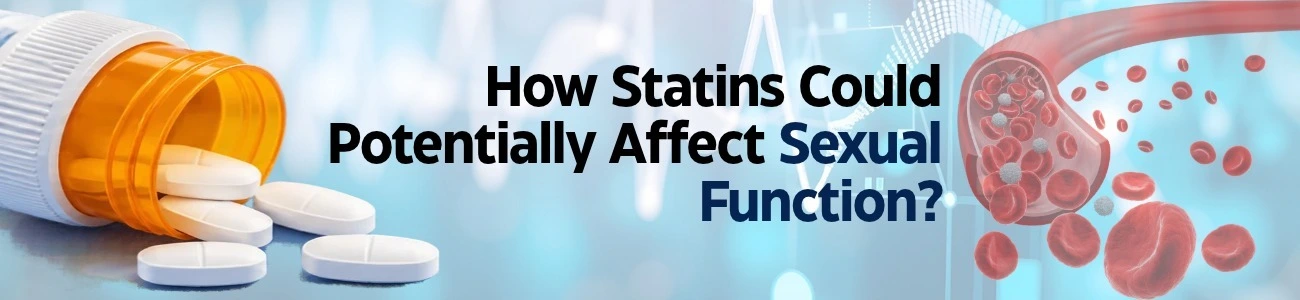
Statins can affect sexual function in both positive and negative ways, but for most people, the overall impact is neutral or even beneficial.
Atorvastatin, Rosuvastatin, and other statins mainly work by improving cholesterol balance and blood vessel health, which is closely linked to sexual function.
- Possible Positive Effects:
- Better blood flow: Statins improve artery health, which can help erections since they depend on good circulation.
- Reduced inflammation: Healthier blood vessels may support better vascular function.
- Improved heart health: Better cardiovascular fitness often improves overall stamina and sexual performance.
- Possible Negative Effects:
- Hormone changes: Since cholesterol is used to produce testosterone, statins may slightly affect hormone levels in some individuals.
- Fatigue or muscle weakness: These side effects can indirectly reduce libido or performance.
- Individual sensitivity: Some people may experience changes that others do not.
- Indirect Effects:
- Underlying conditions like diabetes, high blood pressure, obesity, and stress are much stronger causes of sexual dysfunction than statins themselves.
- Psychological factors (anxiety, worry about medication side effects) can also play a role.
Who Is More Likely to Experience ED While Taking Statins?
Most people who take statins do not develop erectile dysfunction (ED). When ED occurs during statin use, it is usually linked more to underlying health conditions and risk factors than the medication itself.
Atorvastatin and other statins are commonly prescribed to people who already have cardiovascular risk, and those same conditions are strongly connected to ED.
- People with existing cardiovascular disease : Poor blood flow from narrowed arteries is one of the biggest causes of ED. Since statins are often prescribed for heart disease, ED may already be present or progress due to the disease itself.
- People with diabetes : Diabetes can damage blood vessels and nerves, both of which are essential for normal erectile function.
- Older adults : Age naturally affects hormone levels, blood circulation, and nerve sensitivity, increasing the likelihood of ED.
- People with multiple risk factors :
- High blood pressure.
- Obesity.
- High cholesterol.
- Smoking.
These factors strongly affect erectile function and often exist in people prescribed statins.
- People on multiple medications : Some drugs used for blood pressure, depression, or prostate issues can contribute to ED, making it harder to identify statins as the cause.
- People with stress, anxiety, or depression : Psychological factors can significantly affect sexual performance and may coincide with starting long-term medications.
What To Do If You Notice ED After Starting Statins?
If you notice erectile dysfunction (ED) after starting statins, do not stop the medication suddenly without speaking to your doctor. In many cases, the issue may be related to underlying health conditions, other medications, or temporary side effects rather than the statin itself.
Here’s what you should do:
- Talk to your doctor : Discuss when the symptoms started and whether they began soon after taking statins like Atorvastatin or Rosuvastatin. Your doctor can help identify the real cause.
- Review other possible causes : ED is often linked to:
- Diabetes.
- High blood pressure.
- Stress or anxiety.
- Smoking or alcohol use.
- Obesity.
- Poor sleep.
- Low testosterone.
- Check other medications : Some blood pressure medicines, antidepressants, and other drugs may contribute to ED.
- Ask about adjusting treatment : Your doctor may recommend:
- Changing the statin dose
- Switching to another statin
- Monitoring hormone levels
- Treating underlying ED causes
- Improve lifestyle habits : Healthy lifestyle changes can improve both heart health and erectile function:
- Exercise regularly.
- Maintain a healthy weight.
- Quit smoking.
- Reduce alcohol intake.
- Eat a heart-healthy diet
Lifestyle Changes That Improve Both Heart Health and Erectile Function
Heart health and erectile function are closely connected because erections depend on healthy blood vessels, good circulation, balanced hormones, and proper nerve function. In many men, erectile difficulties can actually appear years before symptoms of cardiovascular disease because the penile arteries are smaller and show vascular problems earlier.
Lifestyle changes that improve blood flow, reduce inflammation, and support metabolic health often benefit both conditions simultaneously.
- Regular Physical Activity : Exercise is one of the most effective interventions for both cardiovascular health and erectile function. Notable benefits of exercise include:
- Improved blood vessel function
- Better nitric oxide production (essential for erections)
- Reduced blood pressure
- Improved cholesterol and insulin sensitivity
- Weight reduction
- Increased testosterone in some men
- Weight Loss and Waist Reduction : Excess abdominal fat is strongly associated with:
- High blood pressure
- Diabetes
- Low testosterone
- Atherosclerosis
- Erectile dysfunction
Losing even 5–10% of body weight can improve:
- Erectile quality
- Libido
- Blood pressure
- Blood sugar control
Central obesity is particularly harmful because visceral fat increases inflammatory chemicals and hormonal imbalance.
- Mediterranean-Style Diet : A Mediterranean eating pattern consistently improves vascular health and erectile function.
Key features:
- Fruits and vegetables
- Whole grains
- Nuts and seeds
- Olive oil
- Fish
- Legumes
- Limited processed food and sugar
Helpful foods include:
- Leafy greens
- Beets
- Tomatoes
- Walnuts
- Almonds
- Fatty fish
- Berries
These support nitric oxide production and reduce vascular inflammation.
Foods to reduce
- Processed meats
- Refined carbohydrates
- Sugary drinks
- Excess fried foods
- Trans fats
- Stop Smoking : Smoking damages blood vessels and reduces penile blood flow.
- Accelerates artery narrowing
- Reduces nitric oxide availability
- Increases oxidative stress
- Lowers vascular elasticity
Smoking cessation can improve erections, especially in younger men and those without advanced vascular disease.
- Reduce Alcohol Excess : Small amounts of alcohol may not significantly harm cardiovascular health, but heavy drinking:
- Lowers testosterone
- Damages nerves
- Raises blood pressure
- Contributes to obesity
- Impairs erection quality
- Improve Sleep Quality : Poor sleep is strongly linked with:
- Hypertension
- Obesity
- Diabetes
- Low testosterone
- Erectile dysfunction
- Manage Stress and Mental Health : Chronic stress elevates cortisol and adrenaline, which impair:
- Sexual performance
- Libido
- Blood vessel function
Anxiety about sexual performance can itself worsen erectile problems.
Helpful approaches:
- Mindfulness
- Yoga
- Counseling
- Meditation
- Regular exercise
- Reducing work-related stress
Depression is also independently associated with both heart disease and ED.
- Control Blood Pressure, Diabetes, and Cholesterol : These conditions are among the strongest causes of erectile dysfunction because they damage arteries and nerves.
High blood sugar damages:
- Small blood vessels
- Penile nerves
- Nitric oxide pathways
High blood pressure
- Can stiffen and narrow arteries.
- High cholesterol
- Promotes plaque buildup and reduced blood flow.
- Better disease control often improves erectile function and reduces cardiovascular risk.
- Maintain Healthy Testosterone Levels Naturally : Low testosterone may contribute to:
- Reduced libido
- Fatigue
- Erectile issues
Lifestyle measures that support healthy testosterone:
- Resistance training
- Weight loss
- Good sleep
- Reduced alcohol
- Stress management
Not all erectile dysfunction is caused by low testosterone, but hormonal health matters.
- Avoid Sedentary Behavior : Long sitting periods impair circulation and metabolic health.
Strategies:
- Stand every 30–60 minutes
- Walk after meals
- Use stairs
- Increase daily movement beyond formal exercise
Frequent movement improves vascular responsiveness.
- Build Strong Relationships and Emotional Health : Relationship conflict, emotional disconnection, and chronic anxiety can worsen erectile issues even when vascular health is good. Communication and emotional intimacy reduce stress-related erectile dysfunction.
When To See a Doctor?
Statins are commonly prescribed cholesterol-lowering medications that help reduce the risk of heart attack and stroke. Examples include Atorvastatin, Rosuvastatin, and Simvastatin.
Some people worry that statins may contribute to erectile dysfunction (ED). In reality, the relationship is complex:
- In some men, statins may contribute to sexual side effects.
- In others, statins may actually improve erectile function by improving blood vessel health and circulation.
Because erectile dysfunction can also signal underlying cardiovascular disease, persistent symptoms should not be ignored.
Conclusion
Statins such as Atorvastatin, Rosuvastatin, and Simvastatin play an important role in reducing cholesterol and protecting against heart disease and stroke. While some people worry that statins may cause erectile dysfunction (ED), current research does not show a strong direct connection in most men. In fact, statins may actually improve erectile function in some individuals by improving blood flow and vascular health.
Because erectile dysfunction is often linked to conditions such as diabetes, high blood pressure, obesity, smoking, and cardiovascular disease, it is important to look at overall health rather than assuming statins are the sole cause. If ED develops after starting statins, medical evaluation can help identify contributing factors and guide the best treatment approach.
Most importantly, statins should never be stopped without consulting a doctor. Along with proper medical care, healthy lifestyle changes such as regular exercise, weight management, a heart-healthy diet, better sleep, and stress reduction can significantly improve both cardiovascular health and sexual function.
FAQs
Can you take Viagra while on Statins?
Do Statins clear plaque from arteries?
Do Statins lower testosterone?
Should I stop taking Statins if I develop ED?
Can lifestyle changes reduce ED risk while on Statins?
References
- Do Statins Cause ED, healthline.com
- Statins and Erectile Dysfunction: What’s the Connection, verywellhealth.com
- Statins and Erectile Dysfunction: Do Cholesterol Drugs Affect Performance, allohealth.com
- Do Statins Cause Erectile Dysfunction? pharmacyadvance. co. uk